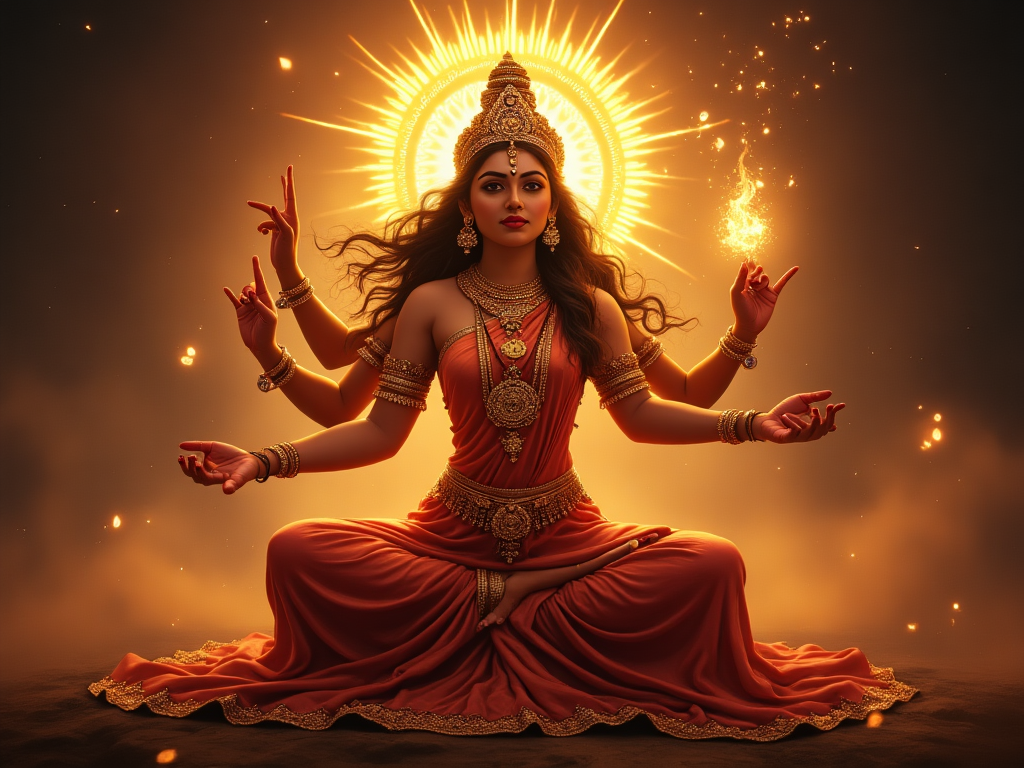

Introduction: When Yellow Paints the World
Something magical happens when winter loosens its grip. Nature whispers the first hints of spring. In India, this transition sparks a celebration where the entire country dresses in shades of yellow. Welcome to Basant Panchami – one of the most beautiful festivals in Hindu tradition.
Have you ever wondered why people suddenly wear yellow clothes in late January? Why do children learn their first alphabets on a specific day? What makes mustard fields pilgrimage sites during this time? You will discover all these answers here.
Basant Panchami celebrates life, learning, creativity, and hope. It goes far beyond being just another festival on the calendar. This comprehensive guide explores every aspect of the celebration. From ancient origins to modern practices, you will learn everything about Basant Panchami 2026.
What is Basant Panchami? Understanding the Festival
Hindus observe Basant Panchami (also spelled Vasant Panchami) as a spring festival. The celebration falls on the fifth day (Panchami) of the bright fortnight (Shukla Paksha) in Magha month. This typically occurs in late January or early February.
The word “Basant” comes from Sanskrit, meaning “spring.” Meanwhile, “Panchami” refers to the fifth day of the lunar fortnight. Together, they mark the preparation for spring season.
Students, artists, and musicians hold this festival especially dear. They dedicate the day to Goddess Saraswati – the Hindu goddess of wisdom, learning, music, and arts. New beginnings find their perfect timing on this auspicious day.
Unlike many Hindu festivals, Basant Panchami unfolds during daytime. Morning Saraswati Puja kicks off the celebrations. Cultural activities, feasting, and community gatherings fill the rest of the day.
The Mythology Behind Basant Panchami: Stories That Shaped the Festival
The Birth of Goddess Saraswati
Hindu mythology tells a fascinating creation story. Lord Brahma created the universe but felt something was missing. The world existed in silence, lacking expression. No music, art, or language existed. Living beings had no way to communicate their thoughts.
This incompleteness troubled Brahma deeply. He performed a sacred ritual to address this void. From his creative energy emerged Goddess Saraswati – radiant and dressed in white. She sat on a lotus, holding a veena, sacred scriptures, a rosary, and sacred water.
The moment she appeared, she began playing her veena. Sound, music, and speech instantly filled the world. Hindus believe this divine event occurred on Basant Panchami. That’s why people celebrate the day as Goddess Saraswati’s birthday.
The Story of Kamadeva and the Arrival of Spring
Another fascinating legend involves Kamadeva, the Hindu god of love. Think of him as India’s Cupid. After Goddess Sati died, Lord Shiva withdrew into deep meditation. His absence created an imbalance in the universe.
The gods needed Shiva back in worldly affairs. They also wanted him to unite with Goddess Parvati (Sati’s reincarnation). So they requested Kamadeva to shoot his flower arrow at Shiva.
Kamadeva chose Basant Panchami for this task. Spring represents the perfect season for love and renewal. Shiva initially burned Kamadeva to ashes with his third eye. However, he eventually fell in love with Parvati. Later, Kamadeva came back to life.
This legend connects Basant Panchami with love and romantic awakening. The festival celebrates both intellectual knowledge and emotional creativity.
Goddess Saraswati: The Divine Mother of Knowledge
Understanding Goddess Saraswati completes our picture of Basant Panchami. She stands at the heart of this celebration. Hinduism recognizes her as one of three major goddesses. She joins Lakshmi (wealth) and Parvati (power) in the divine feminine trinity called Tridevi.
Iconography and Symbolism
Artists typically depict Goddess Saraswati as a beautiful woman in white or yellow. She sits on a white lotus or sometimes rides a swan. Each element of her image carries deep symbolic meaning:
White Attire: Purity, truth, and the sattvic nature of knowledge shine through white. Material wealth can corrupt. Pure knowledge, however, elevates the soul.
Veena (Musical Instrument): Her hands hold this instrument representing arts and music. Knowledge should flow beautifully and melodiously through life.
Sacred Scriptures (Vedas): Divine and eternal knowledge rests in these texts. Timeless wisdom guides humanity through generations.
Mala (Rosary): The crystal rosary points to meditation and spiritual learning. True knowledge demands concentration and devotion.
Swan (Hamsa): Her vehicle represents discrimination (viveka). A swan separates milk from water, according to Indian folklore. Similarly, wisdom separates good from bad.
Lotus: Knowledge and enlightenment bloom like this flower. Pure and beautiful, it rises from muddy waters. Wisdom can emerge from any circumstance.
The Significance of Yellow: Why This Color Dominates Basant Panchami
Walk through any Indian city or village during Basant Panchami. Yellow will strike you everywhere. People wear yellow clothes. They offer yellow flowers. Yellow sweets fill the plates. Even kites sport this bright color. But why does yellow dominate?
Mustard flowers bloom during this season in golden glory. Vast agricultural fields transform into seas of gold. Ripened crops symbolize prosperity and abundance. Hindu tradition also links yellow with knowledge, learning, and wisdom. No wonder it becomes the perfect color for Saraswati’s day.
Yellow also connects with the strengthening sun as winter ends. It represents vitality, energy, and life-giving force. Wearing yellow brings good luck, prosperity, and divine blessings.
A beautiful social aspect emerges from this tradition too. Visual unity forms among all celebrants. An entire community in the same color strengthens bonds of togetherness.
Rituals and Traditions: How People Celebrate Basant Panchami
Saraswati Puja: The Heart of the Celebration
Saraswati Puja forms the most important ritual of Basant Panchami. Homes, schools, colleges, and community spaces host these prayers across India. Morning ceremonies begin with setting up Goddess Saraswati’s idol on a decorated altar.
Yellow flowers adorn the altar, especially marigolds and mustard blossoms. Yellow cloth and various offerings complete the decoration. Devotees place books, musical instruments, and writing materials at the goddess’s feet. Children’s textbooks, pens, and notebooks also find their place near the idol.
Priests chant Saraswati mantras during the puja. The famous Saraswati Vandana begins with “Ya Kundendu Tusharahara Dhavala…” Devotees offer yellow sweets like boondi, saffron rice, and kesar halwa. Incense, bells, and devotional songs fill the atmosphere.
Vidyarambham: The Initiation into Learning
Vidyarambham or Akshar Abhyasam touches hearts during Basant Panchami. This ceremony initiates young children into learning. An elder or teacher guides the child to write their first letter. They usually practice on a plate of rice or a slate.
Many communities introduce 3-5 year old children to education on this day. Starting education with Saraswati’s blessings promises wisdom and success. Parents and grandparents treat this ceremony as a crucial milestone. Good memory and academic achievement follow children who begin learning on this day.
Kite Flying: Touching the Sky
Kite flying defines Basant Panchami in many parts of India. Punjab, Gujarat, and parts of Uttar Pradesh embrace this tradition enthusiastically. Colorful kites fill the sky, with yellow dominating the palette.
Practical reasons support this tradition. The pleasant weather invites outdoor activities as winter transitions to spring. Symbolic meanings run deeper though. Kites represent the human spirit soaring high toward divine knowledge. Friendly kite-fighting competitions bring communities together in joyful celebration.
Regional Celebrations: How Different Parts of India Celebrate
West Bengal and Eastern India
West Bengal celebrates Saraswati Puja with extraordinary enthusiasm. Only Durga Puja rivals it in popularity. Educational institutions organize elaborate pujas with beautifully crafted idols. Students dress in yellow and visit pandals throughout the day.
An interesting Bengali tradition stops students from studying on this day. All books rest at the goddess’s feet during puja. Studying would show disrespect. Instead, people celebrate, visit friends, and enjoy festive foods. Yellow pulao, sweet boondi, and Bengali sweets delight everyone.
Punjab and North India
Punjab celebrates Basant as the Kite Festival. The day begins with visits to gurdwaras and temples. Community gatherings follow with kite flying and traditional foods. Mustard greens (sarson ka saag) with makki ki roti becomes essential. This dish reflects the agricultural significance of the season.
Punjabi folk music and bhangra performances energize the atmosphere. People exchange sweets and greetings warmly. Evening celebrations often include bonfires and community feasts.
South India
Kerala, Tamil Nadu, and Karnataka observe the festival distinctly. Saraswati Puja combines with Ayudha Puja – worshipping tools of one’s trade. Musicians worship instruments. Writers honor their pens. Students revere their books. Artisans pay respects to their tools.
Kerala gives special importance to Vidyarambham. Thousands of children start their learning journey at temples and cultural centers. Countless toddlers writing their first letters in rice create heartwarming scenes.
Bihar and Jharkhand
Bihar and Jharkhand celebrate Saraswati Puja with great fervor. Neighborhoods set up pandals everywhere. Young people lead the organization of celebrations. The wedding season also begins on this day. Marriages between Basant Panchami and Holi carry special auspiciousness.
Food and Festivities: The Culinary Delights of Basant Panchami
No Indian festival exists without special foods. Basant Panchami brings its own delicious traditions. Yellow-colored dishes naturally dominate the menu.
Kesar Kheer and Kesar Halwa: Saffron infuses these quintessential treats. Golden colors perfectly represent the festival’s spirit.
Meethe Chawal (Sweet Yellow Rice): Families cook rice with saffron, sugar, and dry fruits. They prepare and share it as prasad.
Boondi and Motichoor Ladoo: Devotees offer these yellow-orange sweets to Goddess Saraswati. Distribution among all follows the offering.
Sarson ka Saag with Makki ki Roti: North India treasures this traditional Punjabi dish. Mustard greens coincide perfectly with the season.
Besan Ladoo: Gram flour creates these golden sweets. They remain popular offerings and treats during festivities.
The Spiritual Significance: Beyond the Celebrations
Colorful celebrations attract everyone’s attention. Deeper spiritual meanings, however, have guided Hindu philosophy for millennia.
Knowledge as the Highest Pursuit
Hindu tradition dedicates an entire festival to the goddess of knowledge. This choice emphasizes learning and wisdom as supreme pursuits. Material wealth can vanish or face theft. Knowledge stays forever and grows when shared. Saraswati Puja reminds devotees that education represents life’s most valuable investment.
The Cycle of Seasons and Life
Basant Panchami arrives at the cusp of winter and spring. Profound symbolism emerges from this timing. Nature renews itself every spring. Humans can similarly renew their lives through learning. No matter how long winter lasts, spring always arrives. Ignorance and hardship eventually give way to knowledge and joy.
Auspicious Beginnings
Vedic astrology recognizes Basant Panchami as “Abujha Muhurat.” No inauspicious moment exists during this time. Starting new ventures finds perfect timing here. People lay foundation stones for buildings. Students begin new courses. Important endeavors get their launch. Many choose this day for starting businesses or artistic projects.
Basant Panchami in Modern Times: Keeping Traditions Alive
Our fast-paced digital world raises questions about traditional festivals. Does Basant Panchami still hold relevance? Absolutely – perhaps more than ever.
Information overload characterizes our age. The festival emphasizes genuine knowledge over mere data. Goddess Saraswati represents discernment. She helps separate valuable knowledge from noise. Truth stands apart from misinformation through her grace. Modern life constantly bombards us with content. Finding genuine wisdom remains our challenge.
Educational institutions continue celebrating Saraswati Puja enthusiastically. Schools and colleges organize cultural programs and competitions. Community pujas bring students together. Many young people gain their first event management experience through organizing Saraswati Puja.
Digital spaces now express the festival too. Virtual Saraswati Puja sessions connect devotees online. Social media campaigns spread messages about learning. The festival’s essence translates well across all mediums.
How to Celebrate Basant Panchami 2026: A Practical Guide
First-timers and experienced celebrants alike can deepen their observance. Here are meaningful ways to mark the festival:
Perform Saraswati Puja: Set up a small altar with Goddess Saraswati’s image. Place your books, instruments, or work tools at her feet. Light a lamp and offer yellow flowers and sweets. Recite the Saraswati Vandana or offer heartfelt prayers.
Wear Yellow: Embrace the festival’s signature color through your clothes. No yellow outfit? A scarf, flower, or accessory works perfectly.
Begin Something New: Harness the auspicious energy for starting learning projects. Pick up that book you’ve postponed. Enroll in a course. Start an instrument. Launch any creative endeavor.
Teach or Share Knowledge: Honor Saraswati by becoming a knowledge channel yourself. Teach something to someone younger. Share a skill with a friend. Mentor someone in your field.
Fly a Kite: Join the tradition if your region celebrates it. Even elsewhere, kite flying connects you to the festival’s spirit.
Prepare Festival Foods: Cook some yellow-colored treats like kesar kheer or meethe chawal. Share them with family, friends, and neighbors.
Visit a Temple or Educational Institution: Many temples and schools organize special events. Community celebrations can deepen your festival experience.
Basant Panchami and Environmental Awareness
Basant Panchami connects deeply with nature. The festival celebrates seasonal transitions, blooming flowers, and agricultural cycles.
Mustard fields turn golden during this season. They represent rural India’s agricultural heartbeat. Communities acknowledge their dependence on nature’s bounty by celebrating the mustard bloom.
Recent years have brought environmental awareness into celebrations. Some temples now offer eco-friendly puja materials. Devotees avoid plastic and non-biodegradable items. Tree planting drives mark spring’s arrival. Ancient festivals thus connect with contemporary sustainability concerns.
Frequently Asked Questions About Basant Panchami
When does Basant Panchami 2026 fall?
Basant Panchami 2026 arrives on Thursday, February 12, 2026 (Magha Shukla Panchami). Local panchang calculations will determine auspicious puja timings closer to the date.
Why does yellow color matter on Basant Panchami?
Yellow represents blooming mustard flowers, ripened crops, and knowledge. Prosperity, energy, and the sun’s life-giving force connect with this color. Wearing yellow attracts Goddess Saraswati’s blessings.
Can non-Hindus celebrate Basant Panchami?
Absolutely! Universal values of knowledge, learning, and spring’s arrival define this festival. Anyone can participate in festivities and appreciate cultural traditions.
Why do some students avoid studying on Saraswati Puja?
Bengali and some other traditions place books at Goddess Saraswati’s feet. Studying would disturb books “resting” with the goddess. Worship and celebration take precedence over academic work.
Does Basant Panchami bring a public holiday?
Several Indian states declare gazetted holidays. West Bengal, Punjab, Haryana, and Uttar Pradesh officially recognize it. Other states often close schools for Saraswati Puja without formal government holidays.
Conclusion: Embracing the Spirit of Basant Panchami
Basant Panchami transcends ordinary festivals. It celebrates everything meaningful in life: knowledge, creativity, beauty, love, and hope. Our world often prioritizes material success above all else. This festival reminds us that true wealth lies in wisdom, learning, and the arts.
Your Basant Panchami 2026 celebration connects you to thousand-year-old traditions. Whether through elaborate pujas or simple rituals, you honor knowledge and creativity. Join the chain of humans who gazed at blooming mustard fields, felt the warming sun, and thanked the divine.
May Goddess Saraswati bless you with knowledge, wisdom, and creativity. May your spring bring learning, growth, and new beginnings.
या कुन्देन्दुतुषारहारधवला या शुभ्रवस्त्रावृता
या वीणावरदण्डमण्डितकरा या श्वेतपद्मासना॥
या ब्रह्माच्युतशंकरप्रभृतिभिर्देवैः सदा पूजिता
सा मां पातु सरस्वती भगवती निःशेषजाड्यापहा॥