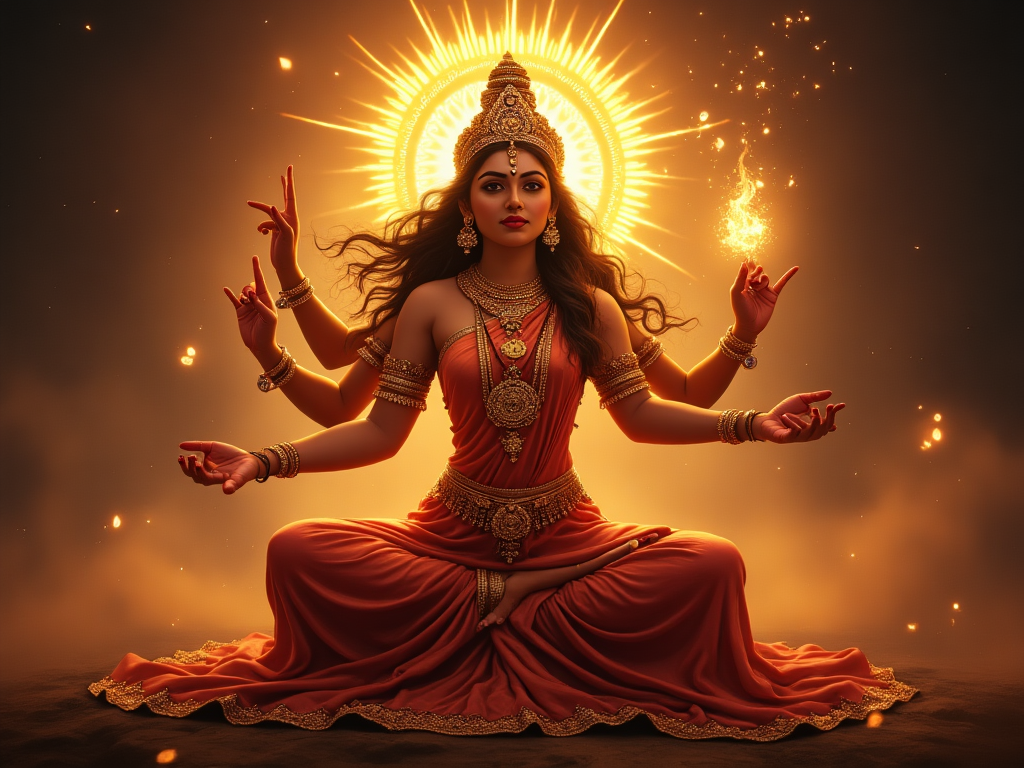

A Complete Guide to Sankashti, Angarki, Karva Chauth, Bahula Chaturthi & Monthly Ganesh Worship
In the Hindu lunar calendar, some days invite us to slow down and reconnect with our spiritual core. Chaturthi — the fourth lunar day — stands among the most meaningful of these sacred observances. Devotees do not simply follow a ritual on this day. Instead, they consciously enter a process of purification, devotion, and emotional strengthening.
Across India, families celebrate different forms of Chaturthi: Sankashti Chaturthi, Angarki Chaturthi, Karak Chaturthi (Karva Chauth), Bahula Chaturthi (Bol Chauth), and Vinayaka Chaturthi. Although each celebration carries a distinct story and intention, all of them revolve around discipline, devotion, and transformation. At the center of these observances stands Lord Ganesha, the remover of obstacles and guide of new beginnings.
Let us explore these sacred days deeply — not only through tradition, but also through their psychological and spiritual relevance.
Understanding Chaturthi in the Lunar Cycle
The word “Chaturthi” means the fourth day (tithi) of a lunar fortnight. Every month brings two Chaturthi days:
- One during Shukla Paksha (waxing moon)
- One during Krishna Paksha (waning moon)
Devotees consider the Krishna Paksha Chaturthi after the Full Moon especially powerful. They call it Sankashti Chaturthi and dedicate it to Lord Ganesha.
The Purnimanta calendar counts the month from one Full Moon to the next. Therefore, festivals such as Karva Chauth and Bahula Chaturthi follow this calculation.
Since the Moon governs the human mind in Vedic thought, observing Chaturthi encourages emotional cleansing and mental clarity. The changing lunar phase reminds us that our thoughts also pass through phases — growth, decline, and renewal.
Sankashti Chaturthi: Removing Obstacles with Faith
The Meaning Behind Sankashti
The Sanskrit word “Sankat” means difficulty, while “Harana” means removal. Sankashti Chaturthi therefore represents the conscious effort to remove suffering through devotion.
Devotees turn to Lord Ganesha on this day because he symbolizes wisdom before action and patience before reaction. When people face repeated challenges, they often begin this vrat with hope and humility.
How Devotees Observe the Fast
Families begin the fast at sunrise and continue it until they sight the Moon at night. Throughout the day, they avoid grains and heavy meals. Many people eat fruits or simple sattvic foods. Some choose to maintain silence for a few hours to deepen their focus.
In the evening, devotees prepare a small altar with lamps, flowers, durva grass, and modak. After sighting the Moon, they offer prayers to Ganesha and then break the fast.
Most importantly, they recite the Ganapati Atharvashirsha or chant Ganesha mantras. In addition, they listen to the monthly Vrata Katha associated with that particular Chaturthi. Each story teaches patience, faith, and perseverance.
Because devotees practice discipline all day, they naturally strengthen willpower and emotional resilience.
Angarki Sankashti Chaturthi: When Tuesday Aligns with Devotion
Whenever Sankashti Chaturthi falls on a Tuesday (Mangalvara), devotees call it Angarki Chaturthi. Since Tuesday connects with Mars — the planet of action, courage, and intensity — this alignment magnifies the day’s power.
On Angarki Chaturthi, people pray specifically for relief from conflicts, anger, and impulsive behavior. The combination of Mars energy and Ganesha’s wisdom symbolizes disciplined strength.
Therefore, many devotees consider Angarki Chaturthi especially effective for resolving long-standing problems.
Monthly Forms of Lord Ganesha: A Dynamic Spiritual Tradition
Unlike repetitive rituals, Sankashta Ganapathi Pooja changes every month. Devotees honor Lord Ganesha in a different form depending on the lunar month. Each month also corresponds to a specific Peeta (sacred seat).
During the monthly observance, devotees recite the Vrata Katha associated with that month alone. Since the Hindu calendar includes an extra month every four years (Adhika Masa), tradition includes 13 Vrata Kathas.
Below is the month-wise worship structure:
| Month | Form of Ganesha | Peeta |
|---|---|---|
| Chaitra | Vikata Maha Ganapati | Vinayaka Peeta |
| Vaishaka | Chanakra Raja Ekadanta Ganapati | Srichakra Peeta |
| Jeshta | Krishna Pingala Maha Ganapati | Sri Shakti Peeta |
| Ashada | Gajanana Ganapati | Vishnu Peeta |
| Shravana | Heramba Maha Ganapati | Ganapathi Peeta |
| Bhadrapada | Vignaraja Maha Ganapati | Vigneshwara Peeta |
| Ashweeja | Vakrathunda Maha Ganapati | Bhuvaneshwari Peeta |
| Karthika | Ganadipa Maha Ganapati | Shiva Peeta |
| Margashira | Akuratha Maha Ganapati | Durga Peeta |
| Pushya | Lambodara Maha Ganapati | Soura Peeta |
| Magha | Dvijapriya Maha Ganapati | Samanya Deva Peeta |
| Phalguna | Balachandra Maha Ganapati | Agama Peeta |
| Adhika Masa | Vibhuvana Palaka Maha Ganapati | Doorva Bilva Patra Peeta |
Through these variations, devotees build a living relationship with the divine rather than following mechanical rituals.
Karak Chaturthi (Karva Chauth): A Celebration of Devoted Partnership
Women observe Karak Chaturthi on the Krishna Paksha Chaturthi of the Karthika month (according to the Purnimanta calendar). Popularly known as Karva Chauth, this festival honors marital commitment.
On this day, married women fast from sunrise to moonrise. They pray for their husbands’ long life and well-being. In many homes, families worship Goddess Parvati, Lord Shiva, Kartikeya, and Ganesha together.
In recent years, many couples have chosen to observe this fast jointly. This shift reflects a modern understanding of mutual commitment and shared responsibility.
Beyond cultural symbolism, Karva Chauth nurtures patience, dedication, and emotional strength.
Bahula Chaturthi (Bol Chauth): Gratitude Toward Motherhood
During Krishna Paksha of the Bhadrapada month, families celebrate Bahula Chaturthi. Devotees worship Gau Mata (the sacred cow) and her calves on this day.
People bathe and decorate cows, offer prayers, and express gratitude for nourishment and protection. Often, devotees avoid dairy products to honor motherhood.
The day also bears the name Heramba Ganpati Sankashti Chaturthi, connecting the observance to a protective form of Ganesha.
This celebration reminds us to respect nurturing forces in our lives — whether mothers, teachers, or nature itself.
Vinayaka Chaturthi (Ganesh Chaturthi): Inviting Auspicious Beginnings
Vinayaka Chaturthi falls after Amavasya (New Moon) during Shukla Paksha. Devotees celebrate this day as Ganesh Chaturthi, one of the most vibrant Hindu festivals.
Families install idols of Ganesha at home. Communities organize cultural gatherings. Devotees chant hymns, offer modak, and pray for success in new ventures.
Through immersion rituals at the end of the festival, devotees symbolically release attachments and embrace renewal.
Thus, Vinayaka Chaturthi teaches both celebration and surrender.
Additional Sacred Observances on Chaturthi
Several other important Chaturthi days enrich the tradition:
- Magha Shukla Chaturthi (Ganesh Jayanti): Celebrates the birth of Lord Ganesha.
- Samvatsari (Kshamavani): Focuses on forgiveness and reconciliation during Shukla Paksha of Bhadrapada.
- Nagula Chaviti: Honors serpent deities and seeks protection for children.
Each observance promotes introspection, humility, and renewal.
Psychological and Spiritual Benefits of Fasting on Chaturthi
Fasting builds discipline because it requires conscious restraint. Moreover, it helps individuals break patterns of emotional dependency on comfort.
When people limit food, they often become more aware of their thoughts and reactions. Consequently, they recognize how desire influences behavior.
On a deeper level, devotion replaces anxiety with faith. Chanting stabilizes breathing. Prayer redirects attention toward gratitude.
Over time, regular Chaturthi observance strengthens patience and emotional balance.
The Symbolism of Lord Ganesha
Lord Ganesha’s form itself delivers powerful life lessons:
- Large ears encourage active listening.
- Small eyes promote focus.
- A curved trunk represents adaptability.
- A broken tusk symbolizes sacrifice for wisdom.
- A mouse vehicle reflects mastery over restless desires.
Therefore, Ganesha worship becomes a form of self-improvement.
The Living Message of Chaturthi
Modern life presents daily obstacles — stress, uncertainty, relationship conflicts, and self-doubt. Chaturthi offers a structured pause. Instead of reacting impulsively, devotees choose reflection.
Through fasting, they learn restraint. Through prayer, they cultivate humility. Through storytelling (Vrata Katha), they internalize moral wisdom.
Above all, Chaturthi reminds us that obstacle removal begins within the mind.
Conclusion: A Sacred Rhythm of Renewal
Chaturthi does not demand blind ritual. It invites conscious participation. Sankashti strengthens resilience. Angarki encourages disciplined strength. Karva Chauth deepens commitment. Bahula Chaturthi promotes gratitude. Vinayaka Chaturthi celebrates new beginnings.
When devotees embrace these observances with sincerity, they do more than follow tradition. They transform their inner landscape.
May every Chaturthi guide you toward clarity, patience, and unwavering faith.